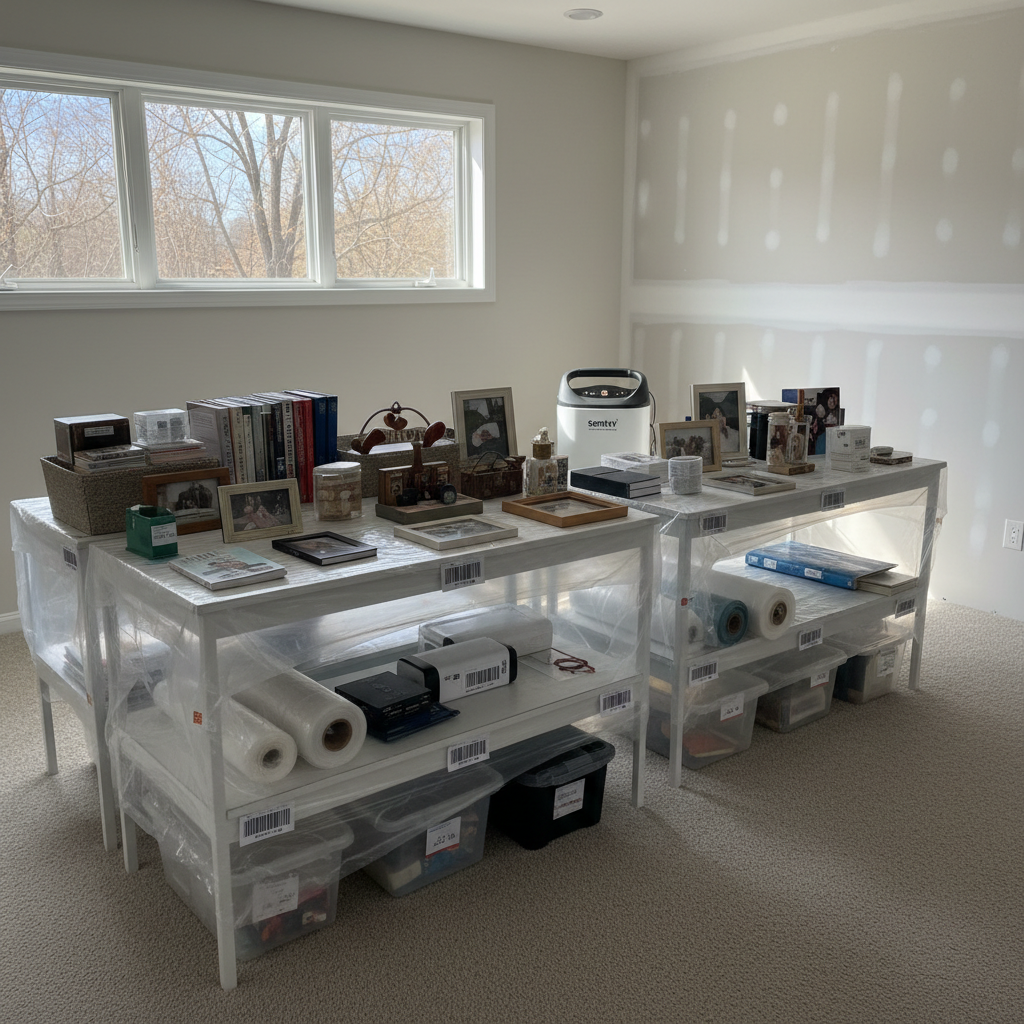
Alright, so your home's been hit, your belongings were carefully packed out, cleaned up, and brought back. That's a huge step, and I'm glad we could help get things back to normal. But here's the thing: restoration isn't a magic spell that makes your stuff immune to future issues. It's more like a reset button. Now it's up to you to keep that reset going strong, especially with our wild Three Rivers weather.
Making Your Restored Items Last Longer
Think of it like this: when we restore something, we're bringing it back as close to its pre-damage condition as we can. We're not making it brand new or indestructible. So, the first rule for extending its life is to treat it well. If a piece of furniture had water damage, we dried it, cleaned it, and repaired it. Don't go putting it right next to a leaky window or in a damp basement corner again, okay? Just use common sense.
For textiles, like rugs or upholstered furniture, we've removed the contaminants and dried them thoroughly. That doesn't mean they won't get dirty again, or that they're suddenly immune to mold if they get wet and stay wet. Keep them in areas with good airflow. If you've got a restored antique piece, maybe consider a humidifier in the dry winter months to prevent wood from cracking. Or, in the humid summer, a dehumidifier can prevent swelling. Our Michigan climate swings can really be brutal on wood.
Regular Maintenance: It's Not Brain Surgery
This isn't about doing anything crazy, honestly. It's about being observant and consistent. For hard surfaces, like restored wood furniture or flooring, regular dusting and cleaning with appropriate, gentle cleaners is key. Please, avoid harsh chemicals that can strip finishes or leave residues.
For soft goods, like drapes, rugs, or upholstery, vacuum regularly. This removes dust and allergens that can break down fibers over time. If you spill something, clean it up immediately; don't let stains set. And for goodness sake, if you notice a damp spot, address it! Don't just let it sit and hope it dries on its own, especially in a place like Three Rivers where basement humidity can be a real headache in the summer.
One thing I always tell folks: good air circulation is your best friend. Open windows when the weather's nice, use ceiling fans, and make sure your HVAC system is working efficiently. This helps control humidity, which is a major factor in preventing mold and mildew, even after a professional restoration.
Warning Signs You Shouldn't Ignore
Your restored items are usually pretty good at telling you if something's wrong. You just have to listen. Here are some red flags:
- Musty Odor: This is the big one. If you start smelling a musty, earthy, or damp smell coming from a restored item or an area where restored items are kept, that's a strong indicator of moisture or mold growth. Don't ignore it.
- Discoloration or Staining: New spots, dark areas, or unusual changes in color on fabrics, wood, or other materials could mean water intrusion or mold.
- Material Changes: Is wood warping, cracking, or swelling? Are fabrics feeling damp, slimy, or brittle? These are physical signs of moisture damage.
- Allergy Symptoms: If you or your family start experiencing unexplained allergy-like symptoms (sneezing, coughing, itchy eyes) when you're around certain restored items, it could be a sign of mold spores.
- Pest Activity: Sometimes, moisture problems attract pests. If you see an increase in bugs around restored areas, it might be connected to dampness.
Seriously, trust your nose and your eyes. If something looks or smells off, it probably is.
When to Call a Professional (Like Us!)
Look, I'm all for DIY where it makes sense, but some things are best left to the pros. You should call us, or another reputable restoration company like Neighborly Restoration Solutions, if:
- You find new water damage: This is obvious, but if your roof leaks again, or a pipe bursts, don't try to handle it all yourself. Get us in there to assess the damage and prevent further issues.
- You suspect mold: If you've got that musty smell or visible mold growth on restored items or in the surrounding area, don't mess with it. Mold can be tricky, and improper removal can spread spores and make the problem worse. We've got the right equipment and training to handle it safely.
- You're unsure about a warning sign: If you see something weird and you're not sure what it means, just give us a call. We'd rather you call us for a quick check than let a small problem turn into a big, expensive one.
- You need deep cleaning or specialized care: For delicate items or if you want a professional deep clean of restored upholstery or rugs, we can help ensure it's done correctly without causing damage.
The goal after restoration is to feel good about your home again. By taking a few simple steps and knowing when to call for help, you can keep your home and your belongings in great shape for years to come. We're always here if you need us.