So, you've dealt with water damage. Maybe it was a burst pipe in the dead of winter, or a sump pump failure after one of our spring thaws turned the basement into a pond. Whatever the cause, you got it fixed, and that's great. But the repair isn't the finish line; it's a new starting point. You've invested time, money, and a whole lot of stress into getting your home back in shape. Now, you want to make sure that work lasts. And trust me, as someone who's seen a lot of homes in Three Rivers, taking a few extra steps now can save you a ton of headaches later.
Extending the Life of Your Water Damage Repairs
When we fix water damage at Neighborly Restoration Solutions, we're not just patching things up. We're getting to the root of the problem and rebuilding with durability in mind. But even the best repair needs a little help from you to really go the distance. Think about it like a car – you wouldn't just drive it without oil changes, right?
- Control Humidity: This is huge, especially in Michigan. Our summers can be muggy, and even after a repair, residual moisture can linger. Keep your home's humidity between 30-50%. A good dehumidifier in the basement or crawl space, especially if that's where the damage occurred, is your best friend. High humidity is an open invitation for mold, even in areas that were properly dried and treated.
- Improve Ventilation: Make sure air can circulate, especially in those areas prone to moisture. If you had a bathroom leak, consider running the fan longer after showers. If it was a basement issue, ensure any vents aren't blocked.
- Regular Inspections (Your Own): You don't need to be a pro. Just walk around your house once a month. Look at the repaired areas. Are there any new stains? Peeling paint? A musty smell? Catching these things early is key.
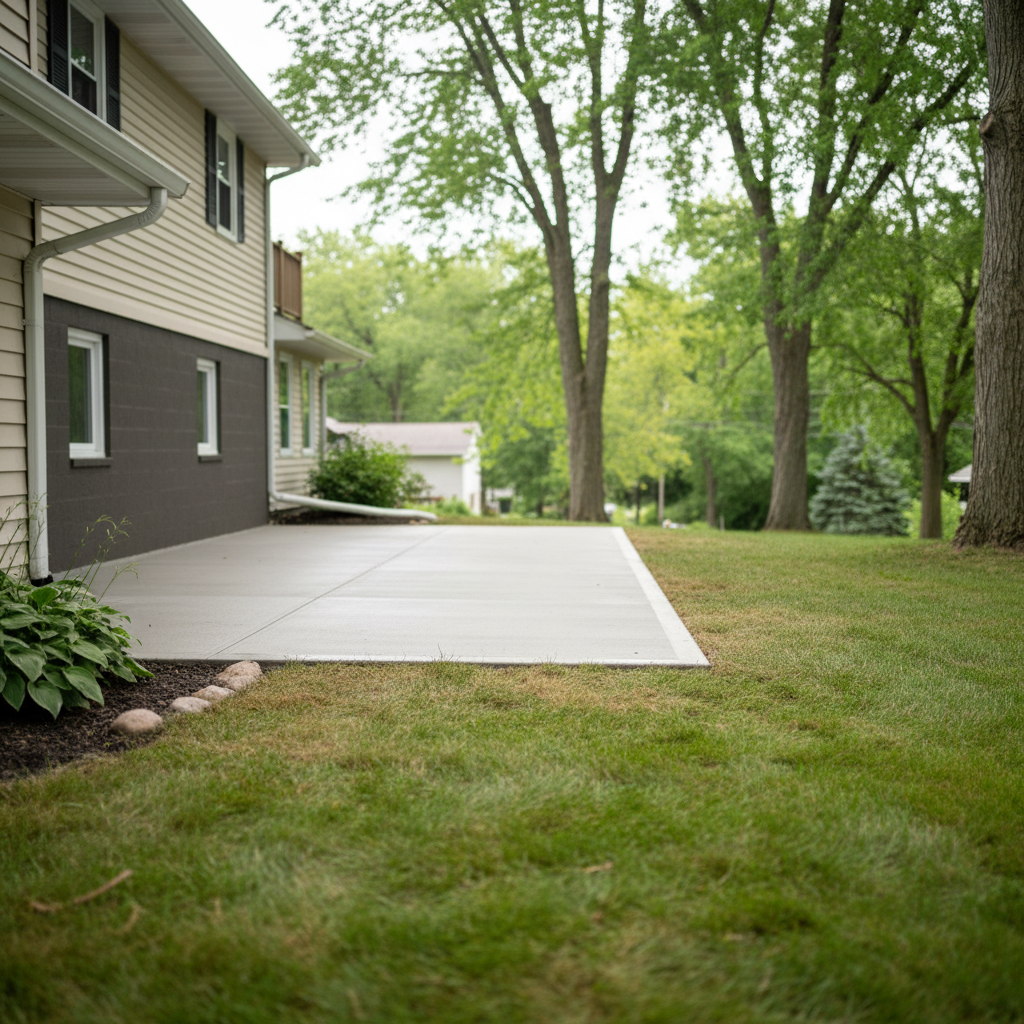
- Maintain Exterior Drainage: This is often overlooked. Your gutters need to be clean and directing water at least 6 feet away from your foundation. If your soil around the foundation isn't sloped away from the house, water will pool, and that's just asking for trouble, especially with our clay-heavy soils here in St. Joseph County.
What Regular Maintenance Looks Like
It's not rocket science, just consistent attention. I'm talking about simple stuff you can bake into your routine:
- Check Your Plumbing: Every few months, take a peek under sinks, around toilets, and behind appliances like your fridge or washing machine. Look for drips, puddles, or even just dampness. Tighten connections if you see a slow drip.
- Sump Pump Check: If you have a sump pump, test it quarterly. Pour a bucket of water into the pit to make sure it kicks on and drains properly. Make sure the discharge line isn't frozen in winter or clogged with debris in summer.
- Roof and Gutter Cleaning: Do this twice a year, usually spring and fall. Clear out leaves, twigs, and any other gunk. Clogged gutters are a leading cause of fascia and foundation water damage.
- Appliance Hoses: Inspect hoses on your washing machine, dishwasher, and ice maker. If they're old, cracked, or brittle, replace them. Braided stainless steel hoses are a smart upgrade.
Warning Signs of New or Recurring Problems
Sometimes, despite your best efforts, issues pop up. Knowing what to look for can save you from a major headache:
- Discoloration or Stains: Yellow, brown, or dark spots on walls, ceilings, or floors. These are classic signs of water intrusion.
- Musty or Earthy Odors: If you smell something damp and unpleasant, especially in a specific area, that's a big red flag for mold or trapped moisture.
- Peeling Paint or Bubbling Drywall: Water behind a surface will cause paint to blister or drywall to soften and bubble.
- Warping or Swelling: Wood floors, baseboards, or cabinets that start to warp, buckle, or swell are definitely getting wet.
- Increased Utility Bills: Sometimes, hidden leaks can cause your water bill to spike. Keep an eye on it.
- Visible Mold Growth: Any fuzzy, discolored patches on surfaces. Don't ignore it.
When to Call a Professional
Look, you don't need to call me every time you see a drip. But there are times when you absolutely should pick up the phone. Don't try to be a hero and tackle something that's clearly beyond a quick fix.
- Persistent Musty Smells: If you've aired out the area and the smell keeps coming back, there's likely hidden moisture or mold.
- Large or Spreading Stains: A small, isolated stain might be a one-off. But if it's getting bigger or new ones are appearing, you've got an active leak.
- Soft or Spongy Walls/Floors: If you press on a wall or floor and it feels soft, that's structural damage from water, and it needs immediate attention.
- After a Major Event: If you have a significant plumbing failure, a roof leak, or your basement floods again, even if you think you've cleaned it up, it's worth getting a professional assessment. We have tools to detect moisture you can't see.
- Anytime You're Unsure: Seriously. If you're worried, or just don't know what you're dealing with, call us. It's better to get an expert opinion early than to let a small problem turn into a massive, expensive one. We're here to help folks in Three Rivers keep their homes safe and dry.