So, You've Got Water Damage – Now What?
Nobody ever wants to deal with water damage. It's stressful, messy, and honestly, it can feel totally overwhelming. But once you've gotten rid of the standing water, the next big step is structural drying. This isn't just about making things look dry; it's about getting everything, even the stuff you can't see, back to safe moisture levels. As a local contractor, I've seen countless homes in Three Rivers go through this — from those old Victorians downtown to the newer builds out by the St. Joe River. Getting it right is absolutely crucial. Otherwise, you're looking at bigger problems down the road, like mold or weakened structures.
You're probably wondering what to expect, how long it'll take, and what you need to do. Let's just break it down.
Understanding the Timeline for Structural Drying
A lot of folks ask me, "How long does structural drying take?" The honest answer is always, "It depends." There's no one-size-fits-all, but I can certainly give you a good idea. Generally, you're looking at:
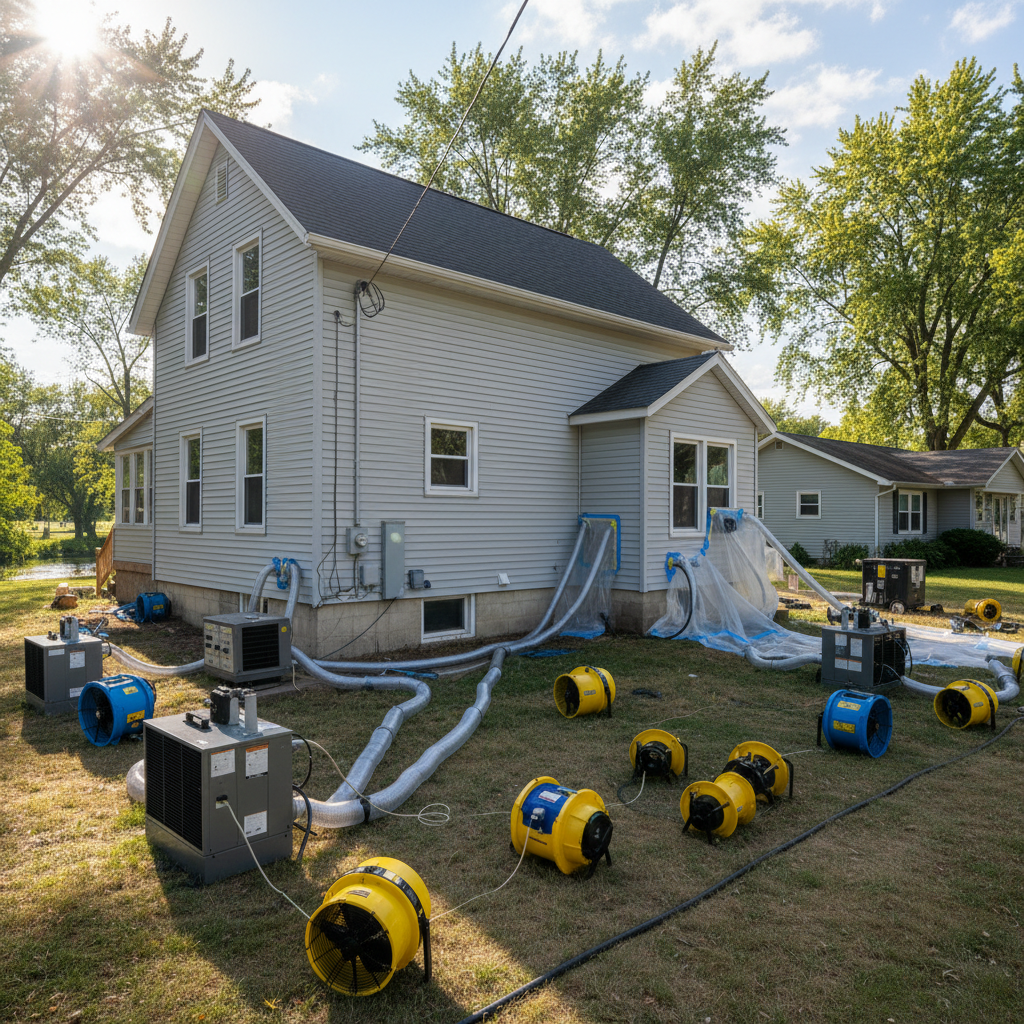
- Initial Setup (Day 1): This is when the pros, like us at Neighborly Restoration Solutions, show up. We'll check out the damage, figure out all the affected areas (sometimes we use thermal cameras and moisture meters for this), and get the equipment – air movers, dehumidifiers, air scrubbers – all set up. This usually takes a few hours, tops.
- Active Drying (Days 2-5): This is the workhorse phase, you might say. The equipment runs continuously. We'll be checking moisture levels every day, tweaking the equipment, and keeping an eye on progress. You'll definitely hear the hum of machines, and your house might get a bit warm and dry.
- Final Monitoring & Teardown (Days 6-7+): Once moisture readings are consistently where they should be, at safe levels, we'll start taking some of the equipment out. We'll still monitor for a day or two just to make sure everything stays stable before we remove all the gear. For really soaked areas, or if the water's been sitting for a while, it can take longer – sometimes up to two weeks or even more. Things like the type of materials, how long the water was present, and even the humidity right here in Three Rivers can affect this timeline.
It's a real process, and patience is key. Rushing it can seriously lead to long-term issues.
What to Expect During the Drying Process
When you've got a crew in your house drying things out, here's what you'll probably experience:
- Noise: Air movers are loud. Dehumidifiers hum. It's going to be noisy, no two ways about it. We try to keep disruption to a minimum, but the equipment just has to run.
- Temperature Changes: Dehumidifiers generate heat. So, your home will likely be warmer than usual. We'll try to manage this, but expect it.
- Limited Access: Some areas might be blocked off or tough to get through because of all the equipment.
- Daily Monitoring: A technician should be checking in every day to take readings, empty dehumidifier reservoirs, and adjust the drying plan as needed. Don't be shy about asking them for updates, either.
- Demolition (Sometimes): Depending on the damage, we might need to remove some materials – like drywall, insulation, or flooring – to really get things dry. We'll always talk this over with you upfront.
How to Prepare Your Home for Structural Drying
Once you've got a plan sorted with your contractor, there are a few things you can do to make the whole process smoother:
- Clear the Area: Move any furniture, personal items, and valuables that aren't damaged out of the affected rooms or to areas that are fine. Less clutter means the crew can work easier and faster.
- Secure Pets: Keep your pets in a safe, separate area. The noise and activity can stress them out, and we certainly don't want them getting underfoot or tripping over equipment.
- Adjust Thermostat: Your contractor will likely tell you the best temperature and humidity settings for your HVAC system during drying. Often, it's best to just turn off the AC or set it higher. This helps the dehumidifiers do their job efficiently.
- Be Available: Try to be reachable by phone or in person for questions, especially when we're first setting up and during those daily check-ins.
- Understand Your Insurance: Review your policy. Know your deductible and what's covered. Your contractor can often help you with this, but it's always good to be informed yourself.
Key Questions to Ask Before Signing a Contract
Before you commit to any contractor, whether it's us or someone else, make sure you feel comfortable and have all your questions answered. Here are some I'd definitely recommend asking:
- Are you IICRC certified for water damage restoration? This is the industry standard. It means they've got the proper training, right?
- What's your estimated timeline for drying my specific situation? Get a realistic expectation.
- How often will you monitor the drying process, and how will you communicate progress? You'll want regular updates.
- What equipment will you be using, and why? Understand their approach.
- Do you handle the full restoration, or just the drying? Some companies specialize. We do it all, but not everyone does.
- How do you handle insurance claims? Will you work directly with my adjuster? A good contractor will make this process easier for you.
- What's your policy on potential mold growth during or after drying? Prevention is key, but sometimes it happens.
- Can you provide a detailed estimate outlining all costs? No surprises, please.
- What are your payment terms?
- Do you provide a written guarantee for your drying services?
Choosing the right team for structural drying is a big deal. You want someone who's thorough, transparent, and really knows their stuff. Here in Three Rivers, we're all about community, and that means looking out for each other. Don't hesitate to ask these questions to make sure your home gets the proper care it needs after water damage.