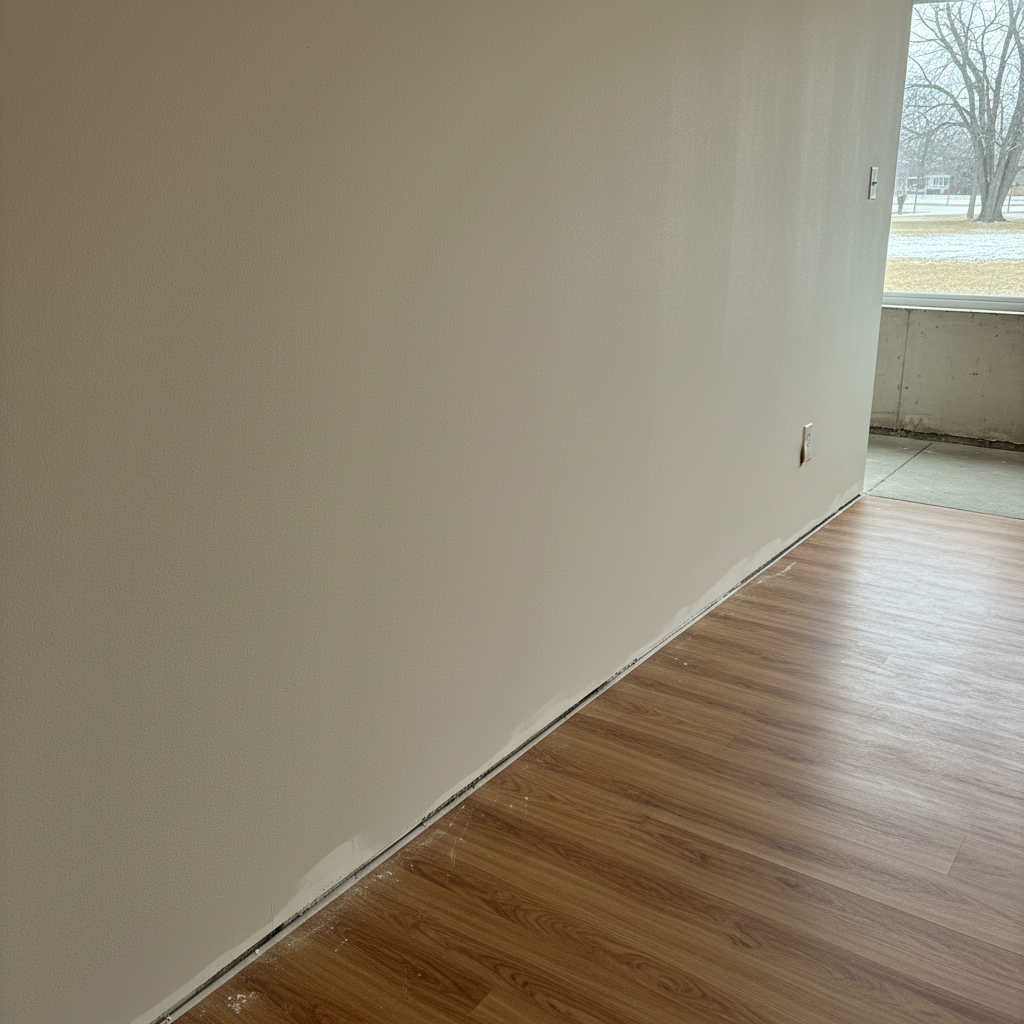
Water damage. It's a homeowner's nightmare, isn't it? Around here in Three Rivers, especially with our older homes near the St. Joseph River or those prone to basement leaks after a big spring thaw, I get a lot of calls about it. Folks are usually stressed, and they've got a ton of questions. So, I figured I'd put together some straight answers to the stuff I hear most often. No fancy marketing talk, just what you need to know from someone who's seen it all.
What's the absolute first thing I should do when I find water?
First, and this is critical, stop the source of the water if you can. A burst pipe? Turn off the main water supply to your house. A leaky roof? Put a bucket under it. If it's a sewage backup, don't touch anything; that's a whole different ballgame for professionals. Next, and this is often overlooked, turn off your electricity to the affected areas if it's safe to do so. Water and electricity don't mix, and you don't want to risk electrocution. After that, call a professional. Don't try to tackle a big flood yourself. You'll miss things, and that leads to bigger problems down the road.
Can I just dry it out myself with fans and towels?
For a small spill, sure, grab some towels and a fan. But if we're talking about anything more than a few square feet, or if the water has been sitting for more than a few hours, you're probably going to need more than that. The problem isn't just the surface water you can see. It's the moisture that wicks up walls, gets under flooring, and soaks into insulation. Regular fans just move air around; they don't have the power to dry out structural materials properly. You need industrial-grade dehumidifiers and air movers to really pull that moisture out, otherwise, you're setting yourself up for mold growth and structural damage. Trust me, I've seen plenty of DIY jobs that ended up costing more because they didn't get it fully dry.
How quickly does mold start to grow after water damage?
Mold can start growing in as little as 24 to 48 hours if conditions are right – meaning moisture, a food source (like drywall or wood), and a comfortable temperature. That's why acting fast is so important. The longer water sits, or the longer materials stay wet, the higher the risk of mold. And once mold takes hold, it's a much bigger and more expensive job to clean up. It's not just about scrubbing what you see; it's about containing spores and ensuring it doesn't come back.
Will my homeowner's insurance cover water damage cleanup?
This is a big one, and the answer is: it depends. Most standard homeowner's policies cover sudden and accidental water damage, like a burst pipe or an overflowing washing machine. They typically won't cover damage from neglect, like a long-term leaky roof you ignored, or from external flooding (that's usually a separate flood insurance policy). It's crucial to read your policy or call your agent immediately. Document everything with photos and videos before you start any major cleanup. We at Neighborly Restoration Solutions can help you understand what your insurance company will need for a claim, and we're used to working with adjusters.
What's involved in the actual cleanup process?
Once we get there, the first thing is to assess the damage and identify the category of water (clean, gray, or black – that determines safety protocols). Then, we extract any standing water using powerful pumps and vacuums. After that, we remove any unsalvageable materials like soaked drywall, insulation, or carpeting. Then comes the drying phase: setting up dehumidifiers, air movers, and specialized drying equipment. We monitor moisture levels constantly to make sure everything is truly dry, not just surface dry. Finally, we clean, sanitize, and deodorize the affected areas. Sometimes, there's reconstruction needed, but the primary goal is always to get it dry and safe.
How long does the whole water damage cleanup process take?
Again, it really varies. A small, clean water incident might be dried out in 3-5 days. A larger, more complex situation with contaminated water or significant structural saturation could take a week or more for just the drying phase. If there's mold or extensive demolition and reconstruction needed, that adds more time. We always aim to work as efficiently as possible to minimize disruption to your life, but we won't cut corners. Getting it right the first time saves you headaches and money down the road.
Do I need to worry about my well water if my basement floods?
If your home relies on well water, and you experience significant flooding, especially from external sources like heavy rains or river overflow, it's definitely something to be concerned about. Floodwaters can introduce contaminants into your well system. Even if the flood doesn't directly reach your wellhead, the ground saturation can affect groundwater quality. I'd strongly recommend getting your well water tested after any major flood event. It's a simple step that protects your family's health. You don't want to be drinking water that's picked up bacteria or other nasties from the flood.
Look, dealing with water damage is never fun. But knowing what to expect and who to call can make a huge difference. Don't hesitate to reach out to Neighborly Restoration Solutions if you've got water where it shouldn't be. We're here to help you get your home back to normal.