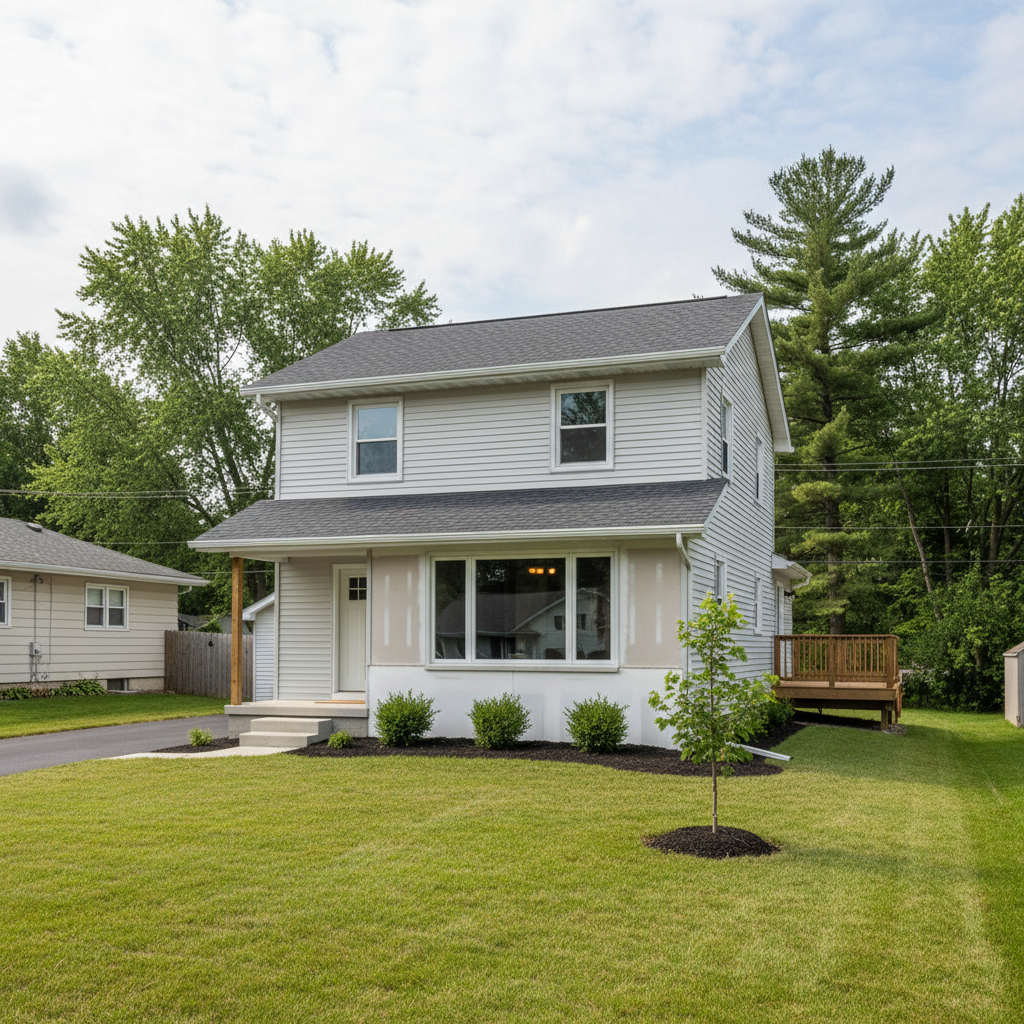
Water Damage: It Hits Hard, and It Hits Fast
Nobody ever wants to walk into a flooded basement. Or find a burst pipe under the kitchen sink. But, let's be real, it happens. And when it does, you really don't have time to mess around. Water damage isn't just about cleaning up a big, wet mess; it's a frantic race against the clock to stop bigger problems from popping up. Think mold, structural damage, and all your ruined belongings.
I've seen it play out countless times. From a slow, sneaky leak under an old bathroom vanity in a home down by the St. Joseph River, to a completely failed sump pump in a newer build out towards the country. The damage can be truly extensive, and it certainly won't wait for you to figure things out. That's precisely why knowing what to do, and who to call, is so incredibly important.
Why Local Expertise Isn't Just a Slogan
You might think water damage is just water damage, no matter where you are. And, to a certain degree, you're right. The basic science of drying out a building is pretty universal. But here in Three Rivers, we've got our own little quirks that make local expertise absolutely invaluable. For instance:
Our Older Homes: A lot of the houses in the older parts of town—especially downtown or near Hoffman Street—were built decades ago. They often have plaster walls, lath and plaster ceilings, and different framing materials than modern homes do. These materials react completely differently to water. You can't just treat them like drywall, can you? They need a careful hand and very specific drying techniques to prevent crumbling or even more damage.
Basement Blues: We're in Michigan, so basements are super common. And with our sometimes-heavy spring rains and the way the soil drains (or doesn't drain, depending on whether you're on sandy soil or more clay-heavy ground), sump pump failures and foundation leaks are just part of life here. Knowing the usual entry points and how to properly dry out a Three Rivers basement, including dealing with potential mold in those older, often damp spaces, is absolutely key.
Weather Patterns: We get all four seasons, and sometimes it feels like all four in one week! The humidity levels can swing wildly. If you're trying to dry out a structure in August with high humidity, that's a completely different ballgame than in January when the air is dry and cold. A local pro understands these environmental factors and adjusts their approach to get your home dry — not just on the surface, but all the way through.
It's not just about having the right equipment, you see; it's about truly knowing how to use that equipment effectively in *our* specific environment.
The First Steps You Need to Take
So, you've got water where it absolutely shouldn't be. What do you do right away?
Stop the Source: This is priority number one. Find that leak, turn off the main water supply, or fix the burst pipe. If it's a sewer backup, don't even think about touching it without proper protection.
Safety First: Is the water near electrical outlets or appliances? If so, turn off the power to that area at your breaker box. Standing water and electricity are a dangerous, dangerous mix.
Call a Professional: Seriously, don't try to tackle significant water damage yourself. You might think you're saving a few bucks, but you could easily miss hidden moisture, which leads to mold growth and far more expensive repairs down the line. A good restoration company, like Neighborly Restoration Solutions, has the specialized equipment and training to properly assess, extract, dry, and restore your property.
Document Everything: Take photos and videos of the damage. This will be invaluable when it comes time for your insurance claim.
Remove Valuables: If it's safe to do so, move furniture, rugs, and other personal items out of the wet area to prevent them from getting even more damaged.
I really can't stress enough how important it is to get professionals involved quickly. Every single hour that water sits in your home increases the risk of permanent damage and mold. We're talking about your biggest investment here, after all.
What a Professional Water Damage Cleanup Involves
When we get to your place, here's a general idea of what we'll do:
Assessment: We'll figure out where the water came from, how far it spread, and exactly what materials are affected. We use moisture meters and thermal cameras to find any hidden moisture behind walls and under floors.
Water Extraction: We'll use powerful pumps and vacuums to remove as much standing water as possible. This step is critical for speeding up the drying process, believe me.
Drying and Dehumidification: This is where the science really kicks in. We'll set up industrial-grade air movers and dehumidifiers to thoroughly dry out the structure. We monitor moisture levels constantly to ensure everything is dried to industry standards, which prevents mold from taking hold.
Cleaning and Sanitizing: Depending on the water source (clean, gray, or black water), we'll clean, sanitize, and deodorize affected areas. This is especially important for things like sewer backups.
Restoration: Once everything is dry and clean, we'll get to work putting things back together. This could mean anything from replacing drywall and flooring to more extensive structural repairs.
Look, water damage is a huge headache, no doubt about it. But with the right team on your side, it doesn't have to turn into a full-blown disaster. We're right here in Three Rivers, and we genuinely understand the unique challenges our community faces. Don't hesitate to reach out if you're dealing with water in your home or business.