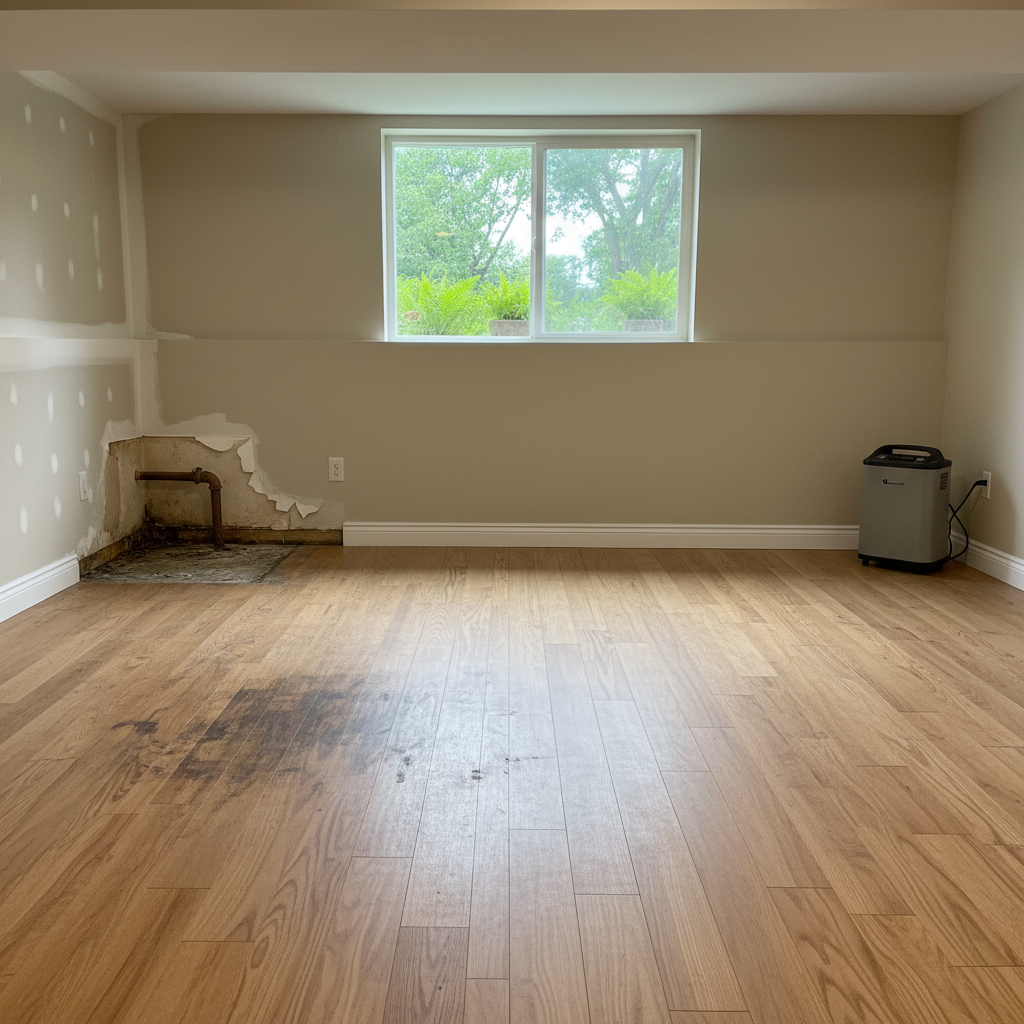
So, water's found its way where it doesn't belong in your house. It's a real headache, I know. Once the initial drying's done and the moisture's out, you're faced with a big decision: do we tear out and replace all the damaged stuff, or can we save some of it through restoration? It's not always an easy call, and there are good reasons for both approaches, especially with our Michigan weather and older homes around places like Portage Avenue.
The 'Replace Everything' Approach
This is pretty straightforward. If your drywall's soaked, your flooring's warped, or your cabinets are swollen, you just rip 'em out and put new ones in. On the surface, it seems like the simplest, cleanest option, right? No fuss, no trying to save something that might not look right later.
- Cost: Upfront, replacing can often seem more expensive. You're paying for demolition, disposal, and then the cost of all new materials and installation. Think about it: new flooring isn't cheap, and neither is a whole new kitchen cabinet set.
- Durability: New materials, when installed correctly, are obviously going to be at their peak durability. You're starting fresh, so you shouldn't have any lingering issues related to the water damage itself.
- Maintenance: Once it's new, you maintain it like any other new part of your home. No special care needed because it was once wet.
- Appearance: It'll look brand new. No mismatched patches, no slight discoloration from a previous water line. For folks who want that 'just built' look, this is the way to go.
The biggest downside here, besides the potential cost, is the disruption. Tearing things out and rebuilding takes time. You might be living in a construction zone for a while, or even need to move out temporarily.
The 'Restore What You Can' Approach
Restoration means we're trying to salvage and repair the existing materials. This might involve specialized cleaning, sanding, refinishing, or structural repairs to bring things back to their pre-damage condition without completely replacing them.
- Cost: Often, restoration is less expensive than full replacement. You're not buying all new materials, and the labor might be focused on repair rather than demolition and reinstallation. This can be a big factor for folks on a tighter budget or with older, custom finishes that are expensive to replicate.
- Durability: This is where it gets tricky. If done right, restored items can be very durable. But if the damage was severe, or if the restoration isn't thorough, you might have lingering issues down the line. We're talking about things like delamination, continued warping, or even mold if not dried perfectly.
- Maintenance: Properly restored items generally don't require special maintenance. However, if the restoration involved a lot of patching or specific treatments, you might need to be a bit more mindful.
- Appearance: This varies wildly. Sometimes, you can restore something to look almost perfect. Other times, there might be slight imperfections, color variations, or texture changes. For some, this adds character; for others, it's a constant reminder of the damage.
The big advantage of restoration is often speed and less disruption. If we can dry and clean without tearing out, you're back to normal faster. It's also more environmentally friendly, as you're sending less to the landfill.
My Recommendation for Three Rivers Homeowners
Alright, so which one should you pick? Here's my honest take, based on what I've seen working on homes all over St. Joseph County.
For most water damage scenarios in Three Rivers, especially the kind that comes from a burst pipe or an overflowing sink – not a full-blown flood – a smart blend of restoration and targeted replacement is usually your best bet.
Why? Our homes here, especially those built before the 80s, often have solid, well-built components that can handle a lot. Hardwood floors, for example, if they're not too badly warped and are dried quickly, can often be sanded and refinished for far less than replacing them with new hardwood. Same goes for plaster walls or solid wood trim.
However, some things just aren't worth restoring. Wet drywall, especially if it's been soaked for more than a day or two, is almost always a goner. It's porous, it loses its structural integrity, and it's a prime candidate for mold. Same for insulation that's been saturated. You're better off ripping it out and putting in new. Laminate flooring? Once it swells, it's done.
Here's what I tell folks: if it's a structural component, or something that's expensive to replace but can be effectively dried and cleaned without compromising its integrity or inviting mold, restoration is a strong contender. Think about those beautiful old oak floors or custom built-ins.
But if it's cheap to replace, highly porous, or shows clear signs of permanent damage (like buckling, delamination, or persistent odor), then replacement is the only sensible choice. You don't want to spend money trying to save something that's just going to cause problems down the road.
Ultimately, a good contractor, like us at Neighborly Restoration Solutions, will give you an honest assessment. We'll tell you what can be restored safely and effectively, what should be replaced, and the costs associated with both. We'll walk you through the pros and cons for your specific situation, because every water damage event is a little different.
Don't just jump to conclusions. Get a professional opinion, weigh your options, and make the choice that's right for your home and your wallet.